Rodent trapping and attic abatement in Riverside requires a methodical approach tailored to the structural designs of Inland Empire properties. In older neighborhoods like Downtown Riverside, Wood Streets, and Magnolia…
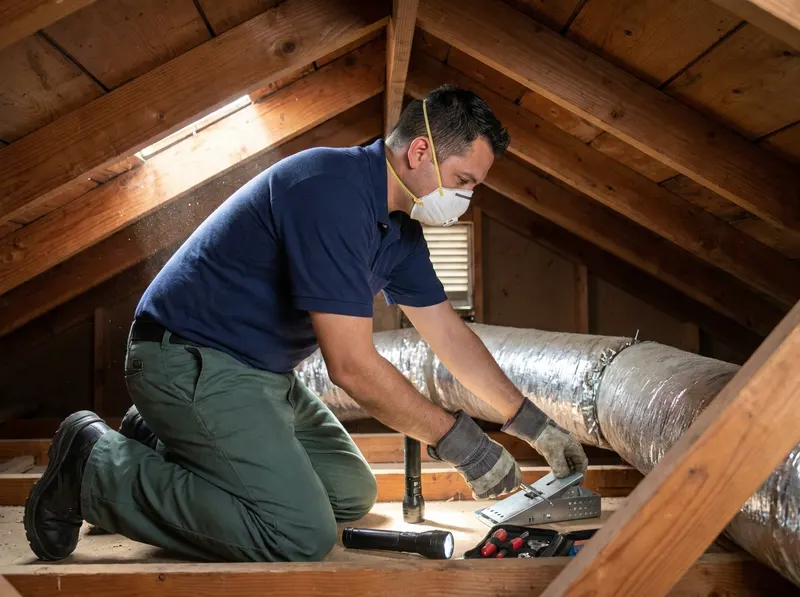
Rodent trapping and attic abatement in Riverside requires a methodical approach tailored to the structural designs of Inland Empire properties. In older neighborhoods like Downtown Riverside, Wood Streets, and Magnolia Center, mid-century framing, raised foundations, and unshielded louvered dormers allow roof rats direct access into thermal attic voids. Modern developments throughout Orangecrest, Canyon Crest, and Mission Grove frequently feature multi-pitch concrete tile roofs where gaps beneath curved barrel tiles offer entrance to utility chases. Infestations compromise structural integrity by gnawing electrical wires, degrading R-30 fiberglass batt insulation, and leaving urine tracks that broadcast pheromones to surrounding colonies near the Santa Ana River corridor. ShieldPoint Exterminators halts colonization using the principles of physical exclusion defined by the US EPA Integrated Pest Management program, sealing every aperture down to six millimeters using 19-gauge galvanized wire hardware cloth and elastomeric sealants.
Controlling rodents effectively requires distinguishing between simple snap-trapping and full restorative abatement. Surface trapping alone removes active populations but leaves structural entry points intact, inviting secondary infestations within 30 days. Attic abatement couples direct trapping with bio-remediation protocols compliant with Centers for Disease Control and Prevention cleanup standards to clear biohazards, hantavirus risk, and urine-saturated insulation. Properties in citrus-dense sectors such as Arlington Heights, Victoria, and Hawarden Hills contend with high ambient roof rat densities foraging on fruit trees before seeking daytime shelter under tile roofing. In these agricultural interfaces, exterior baiting alone fails to solve indoor colonization; permanent mechanical exclusion around gable screens, AC conduit penetrations, and fascia boards represents the only durable defense against sustained structural ingress.
1. Field operators map the property perimeter, foundation, roof joints, and utility penetrations to pinpoint all entry portals down to 1/4 inch, adhering to guidance from the National Pest Management Association.
2. Technicians install high-tension mechanical traps strategically along attic joist runways, utility conduits, and dark transit routes without broadcasting toxic loose rodenticides inside living walls.
3. Technicians seal all outer gaps using heavy-gauge metal flashing and copper mesh to prevent exterior re-entry while internal active trapping operates.
4. Traps are monitored and cleared every 24 to 48 hours until zero active catches and undisturbed tracking markers confirm total colony depletion.
5. Contaminated attic debris, droppings, and damaged insulation are cleared using HEPA-filtered vacuum systems compliant with OSHA particulate standards, followed by an application of broad-spectrum enzymatic sanitizers to neutralize pheromone scent trails.
Every job gets a firm, written price after a free on-site visit.
For standards, safe disposal, and service guidance on PEST CONTROL SEVICE in Riverside, CA, useful references include U.S. EPA, ENERGY STAR, U.S. Dept. of Energy, Consumer.gov, U.S. Census Bureau, and Google Maps. General consumer and small-business resources are available from USA.gov, Better Business Bureau, FTC Consumer Advice, U.S. Small Business Administration, and Ready.gov.
Tell us about your rodent trapping and attic abatement job in Riverside and we'll send a clear, written quote, usually the same day.
 ShieldPoint Exterminators