Argentine ant infestations present an exceptional biological challenge across inland regions because the species operates as an expansive, cooperative network without intraspecific territorial aggression. Unlike native…
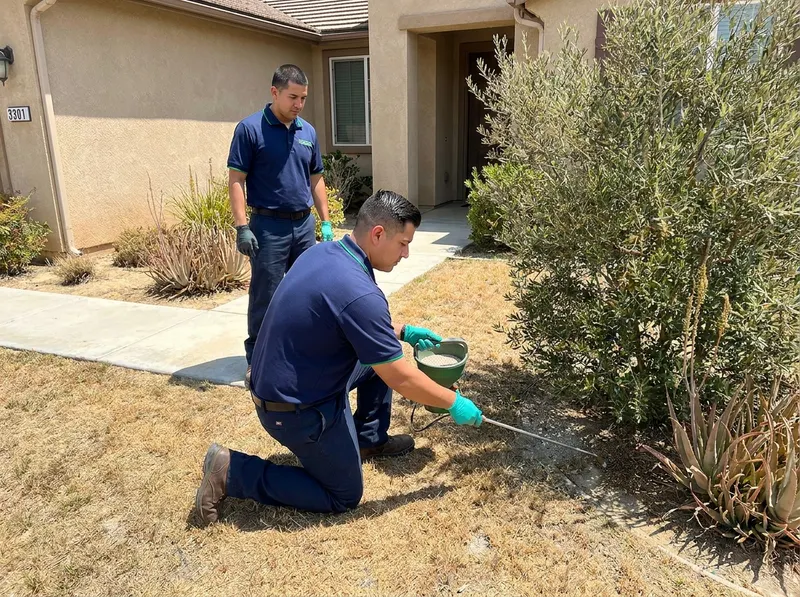
Argentine ant infestations present an exceptional biological challenge across inland regions because the species operates as an expansive, cooperative network without intraspecific territorial aggression. Unlike native single-nest ants, an Argentine ant colony maintains hundreds of reproductive queens per acre. When homeowners in neighborhoods like Orangecrest, Wood Streets, and Victoria deploy off-the-shelf pyrethroid sprays, the repellent chemistry induces colony stress known as budding, causing queens to disperse into interior wall voids, baseboards, and plumbing penetrations. Total suppression requires an authoritative approach using slow-acting chemistries vetted through the EPA Pesticide Programs and University research stations. ShieldPoint Exterminators deploys specialized liquid matrix barriers using fipronil along structural foundations, allowing foraging workers to physically transfer the micro-doses directly to reproductive queens throughout the underground network, aligning with research published by the UC Statewide IPM Program.
Microclimate conditions across Riverside County accelerate colony movement toward residential moisture sources. Properties bordering agricultural zones or riparian environments near the California Citrus State Historic Park, the bluff developments of Canyon Crest, and the hillside properties of Hawarden Hills face persistent pressure during dry summer months when ambient temperatures regularly exceed 95 degrees Fahrenheit. Soil moisture profiles established by irrigation lines in Arlington Heights and Magnolia Center support high aphid populations on citrus and ornamental shrubs; these homopterans produce honeydew, serving as the primary carbohydrate engine for ant supercolonies. Suppression protocols incorporate botanical micro-sprays on tree canopies to sever this symbiotic food chain, supported by scientific principles cataloged by the Entomological Society of America. Field operators also coordinate physical exclusion alongside the structure, sealing utility gaps and weep screeds to prevent interior intrusion while subterranean bait stations manage foraging workers outdoors.
Standard quarterly pest maintenance plans often fail against Argentine ants because localized spot applications leave deep subsurface colonies active. Structural foundation soil treatments must penetrate 2 to 4 inches below the mulch or gravel top-dress, consistent with guidelines from the California Department of Pesticide Regulation and the National Pest Management Association. Properties in Mission Grove, Downtown Riverside, and La Sierra with extensive concrete slabs or decorative hardscaping require specialized sub-slab void injection or high-volume exterior bait grids. If an infestation is caught during initial structural staging, exterior perimeter applications suffice; however, if worker trails have already penetrated subfloors near kitchen moisture blocks, interior non-repellent placements must accompany exterior containment. Structural managers verify applicator licensing through the Structural Pest Control Board to ensure non-target organism protections remain compliant with the U.S. Fish and Wildlife Service and the Santa Ana Regional Water Quality Control Board surface runoff rules.
Every job gets a firm, written price after a free on-site visit.
For standards, safe disposal, and service guidance on PEST CONTROL SEVICE in Riverside, CA, useful references include U.S. EPA, ENERGY STAR, U.S. Dept. of Energy, Consumer.gov, U.S. Census Bureau, and Google Maps. General consumer and small-business resources are available from USA.gov, Better Business Bureau, FTC Consumer Advice, U.S. Small Business Administration, and Ready.gov.
Tell us about your argentine ant colony suppression job in Riverside and we'll send a clear, written quote, usually the same day.
 ShieldPoint Exterminators